The Moon is Earth's only natural satellite and the fifth largest satellite in the Solar System. It is the largest natural satellite relative to its planet in the Solar System. The Moon has been a source of fascination for humanity throughout history, influencing our calendars, cultures, and inspiring countless stories and myths.
The Moon formed approximately 4.5 billion years ago, not long after Earth. The most widely accepted explanation is that the Moon formed from the debris left over after a giant impact between Earth and a Mars-sized body called Theia.
Phases of the Moon
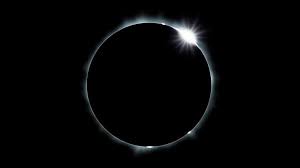
New Moon
When the Moon is between Earth and the Sun, the side facing Earth is not illuminated.
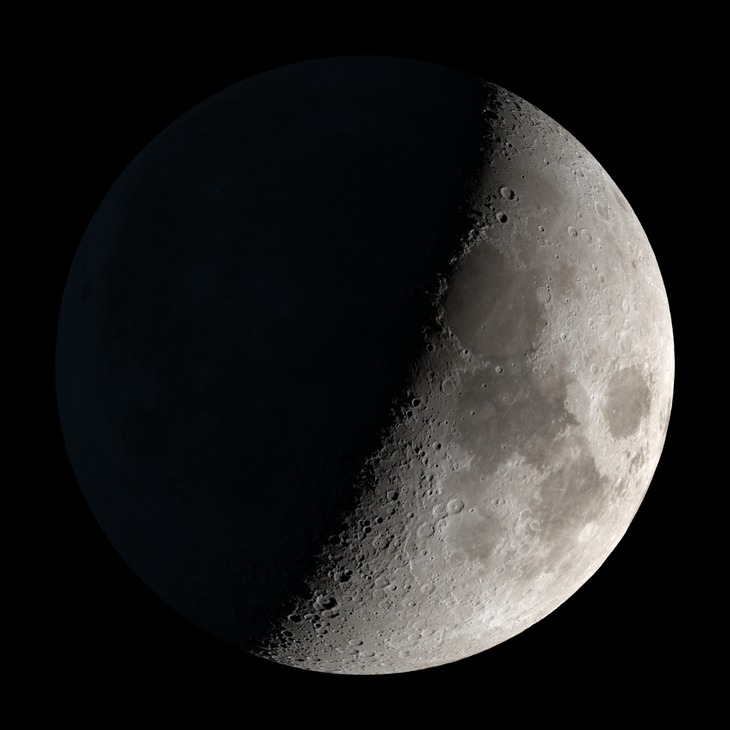
Waxing Crescent
As the Moon moves away from the Sun, a small crescent becomes visible.
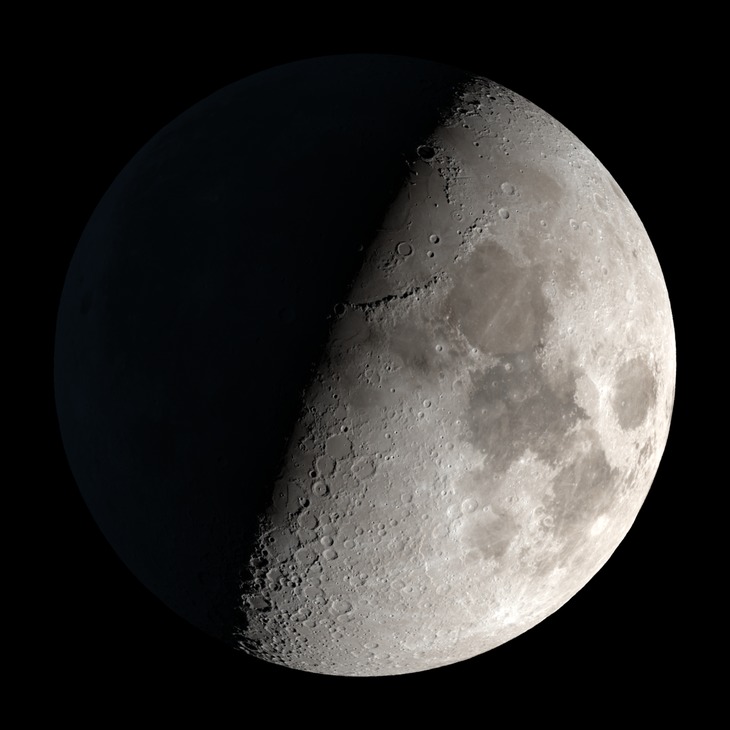
First Quarter
Half of the visible side of the Moon is illuminated.
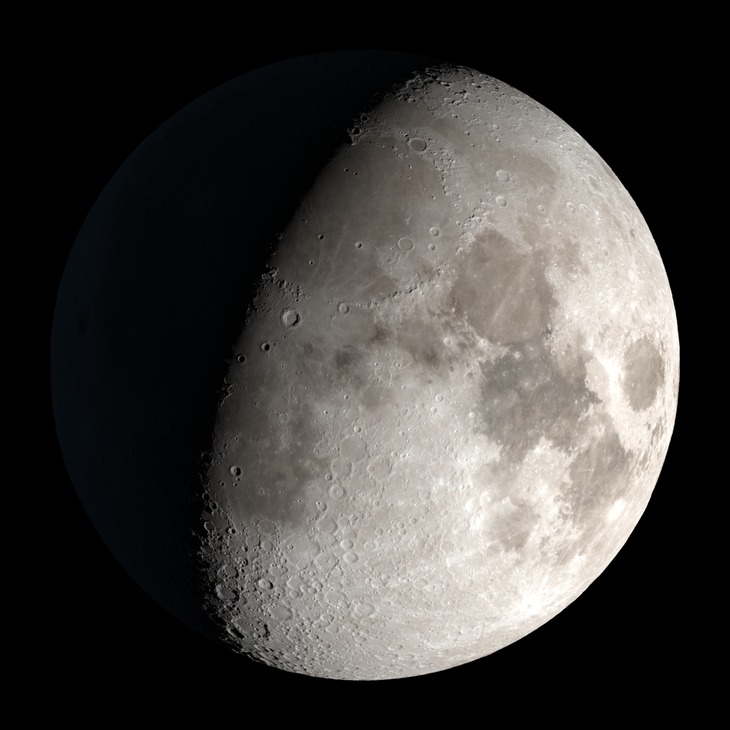
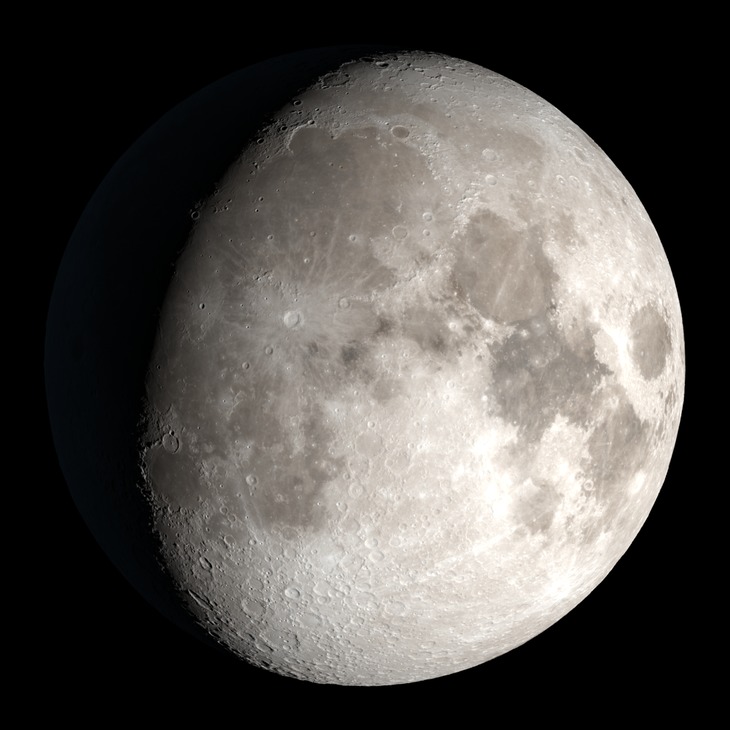
Waxing Gibbous
More than half of the visible side is illuminated, approaching full moon.
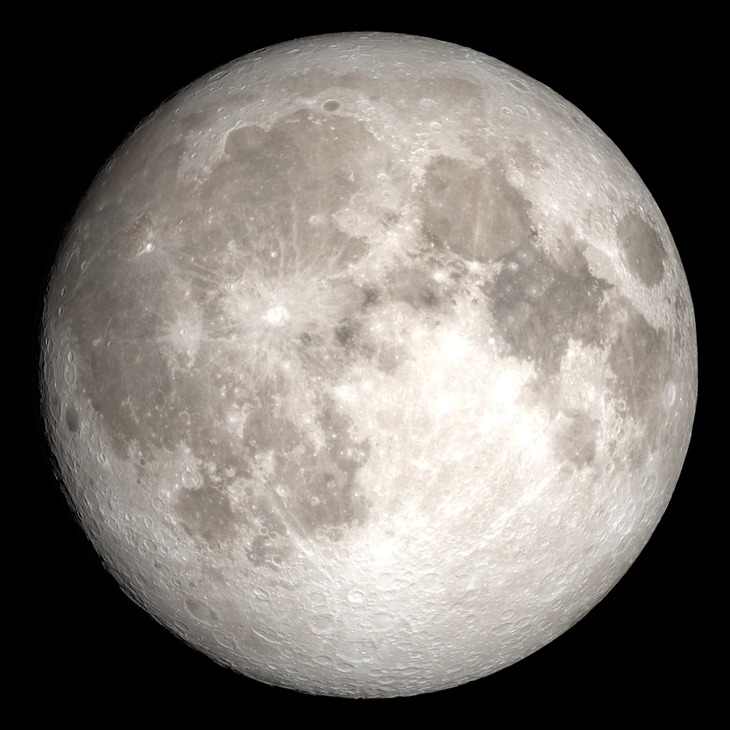
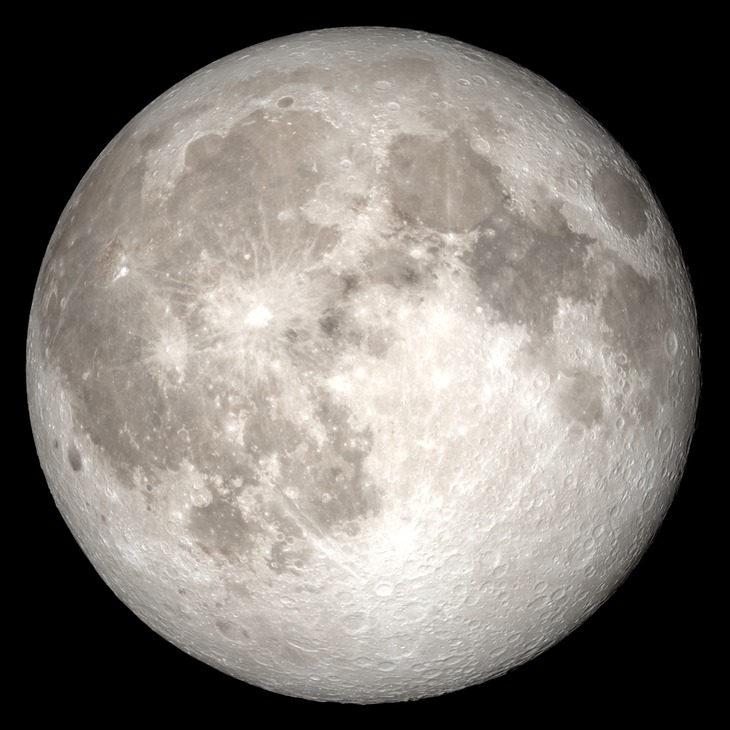
Full Moon
The entire visible side of the Moon is illuminated.
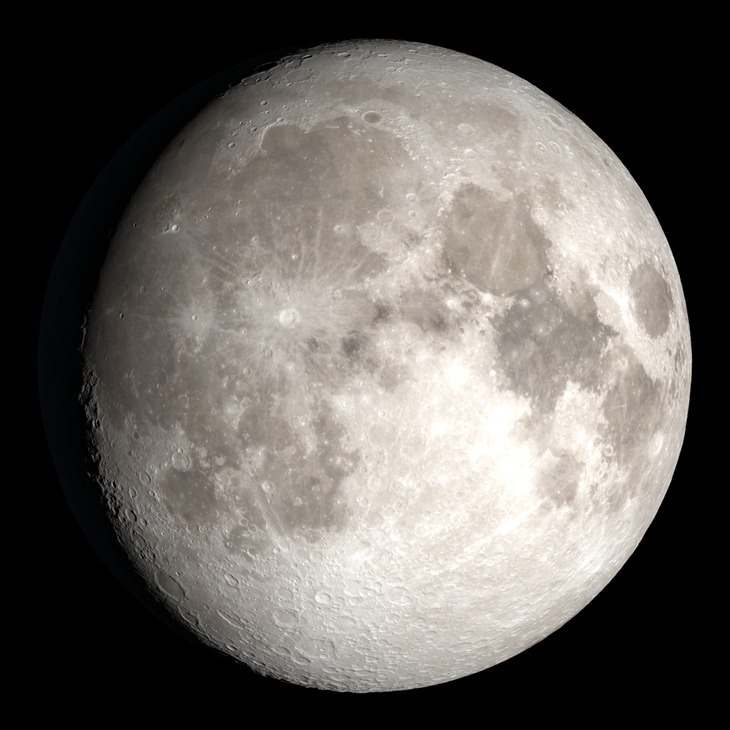
Waning Gibbous
The illuminated portion starts to decrease.
Last Quarter
Half of the visible side is illuminated, opposite to first quarter.
Waning Crescent
A small crescent remains visible before returning to new moon.
Key Facts
Distance from Earth
384,400 km (average)
Orbital Period
27.3 days
Diameter
3,474 km
Surface Gravity
1.62 m/s² (0.1654 g)
Temperature Range
-173°C to 127°C
Age
4.5 billion years
Notable Features
Maria (Seas)
Large, dark plains formed by ancient volcanic eruptions
Craters
Impact craters formed by meteoroids and asteroids
Highlands
Light-colored, heavily cratered regions
Rilles
Long, narrow depressions resembling channels
Human Exploration
Luna 2
First spacecraft to reach the Moon's surface
Apollo 11
"That's one small step for man, one giant leap for mankind"
Apollo 17
Last human mission to the Moon
Chang'e 4
First landing on the far side of the Moon
Artemis Program
NASA's plan to return humans to the Moon
Influence on Earth
Tides
The Moon's gravity pulls on Earth's oceans, causing high and low tides
Stabilization
Helps stabilize Earth's axial tilt, preventing extreme seasonal variations
Calendars
Lunar cycles have influenced calendar systems throughout human history
Lunar Resources
Lunar Terrain
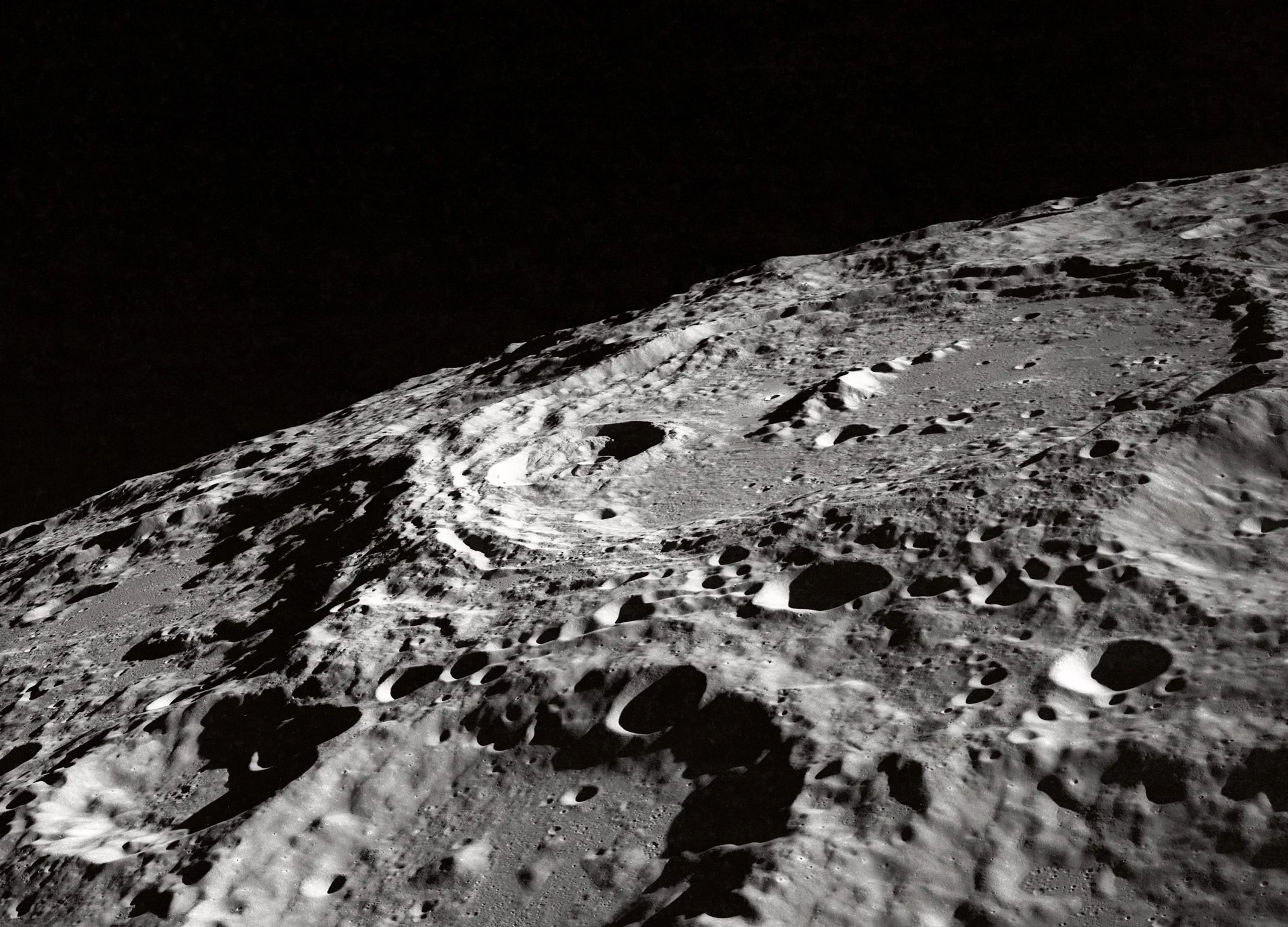
The lunar surface features mountains, valleys, and vast plains called maria. The near side (facing Earth) has more maria, while the far side is heavily cratered.
Further Reading
Lunar Panorama
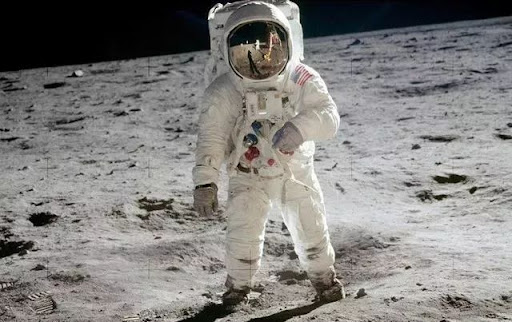
Apollo 11 mission panorama showing Buzz Aldrin on the lunar surface, July 20, 1969.
Did You Know?
The Moon and Earth
The Earth-Moon system is unique in our solar system. The Moon is exceptionally large relative to its parent planet, making it more of a binary system than a typical planet-satellite relationship. Together, they orbit around a common barycenter (center of mass) which lies about 4,671 km from Earth's center.
The Moon is gradually moving away from Earth at a rate of approximately 3.8 cm per year due to tidal interactions. Eventually, in the very distant future, the Moon will appear smaller in our sky and total solar eclipses will no longer be possible.