Inner/Terrestrial Planets
The inner planets are made up mostly of rock. All terrestrial planets have the same basic structure, such as a central metallic core (mostly iron) with a surrounding silicate mantle. They can have surface structures such as canyons, craters, mountains, and volcanoes.
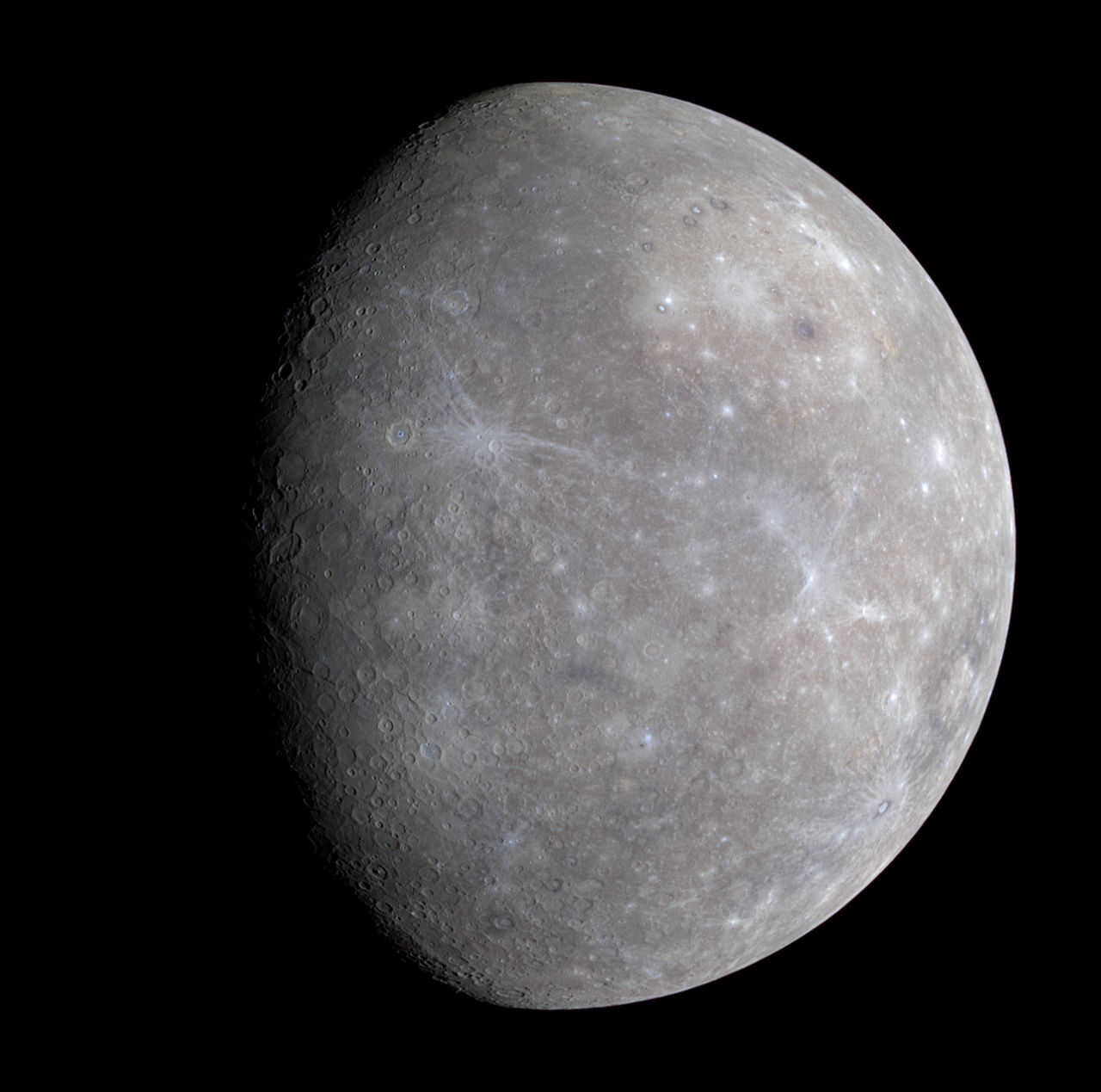
Mercury
Closest planet to the Sun
Tap to learn about Mercury
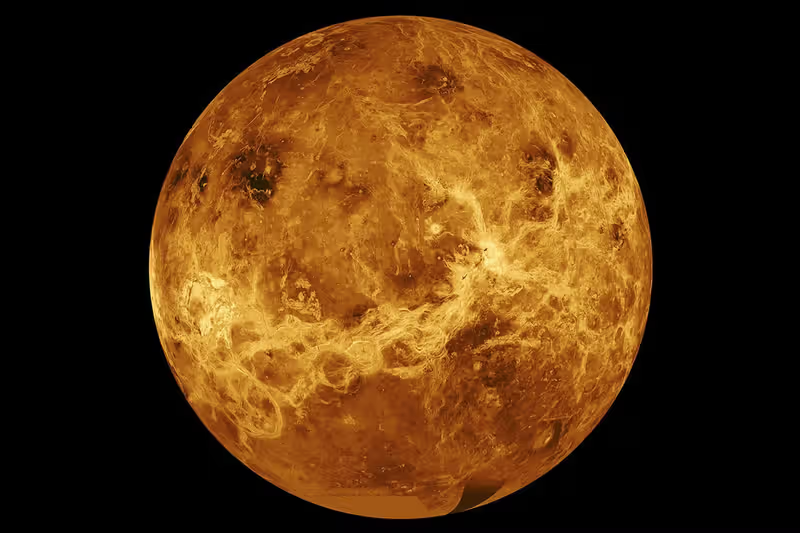
Venus
Earth's "sister" planet
Tap to learn about Venus
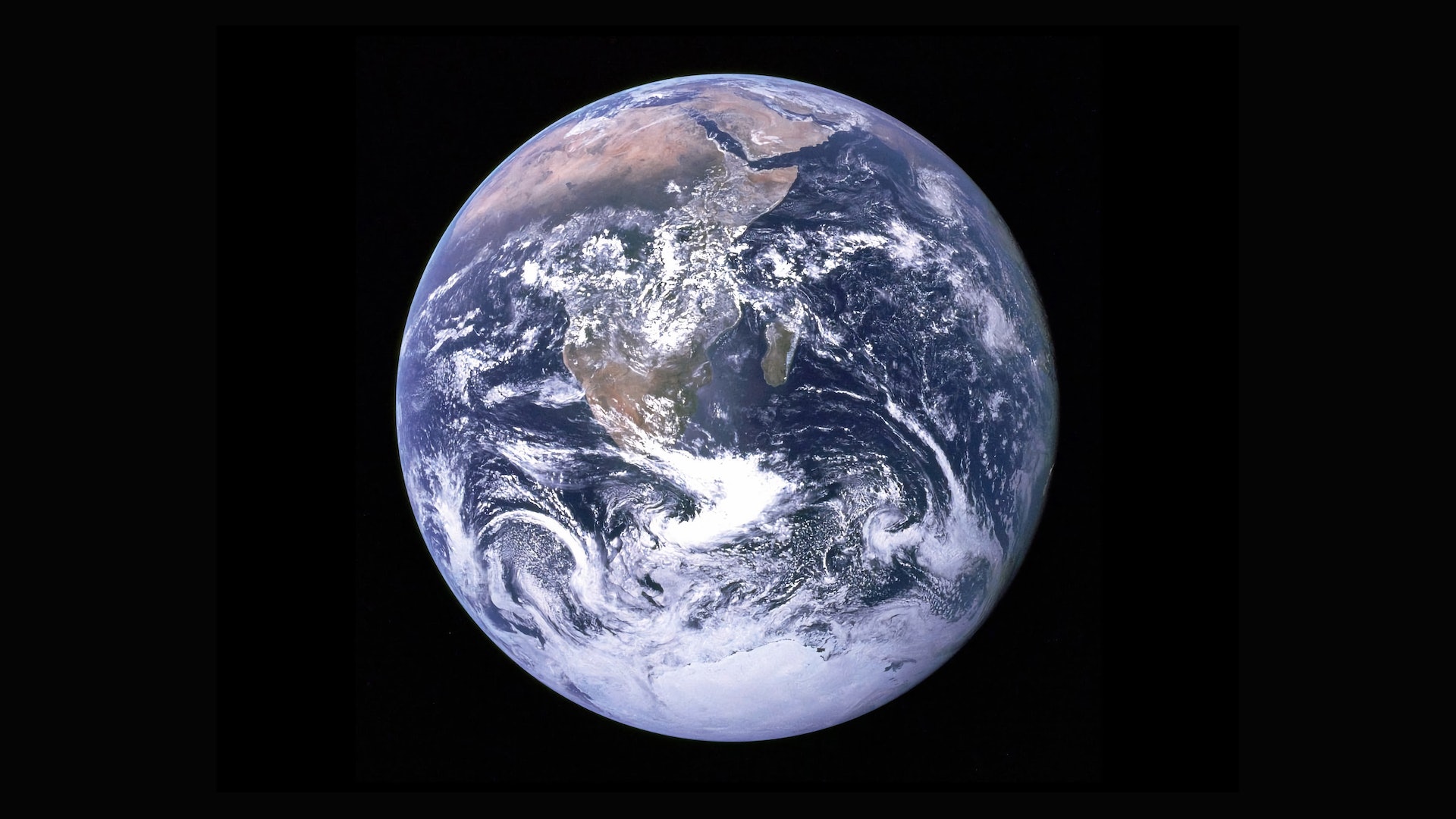
Earth
Our home planet
Tap to learn about Earth
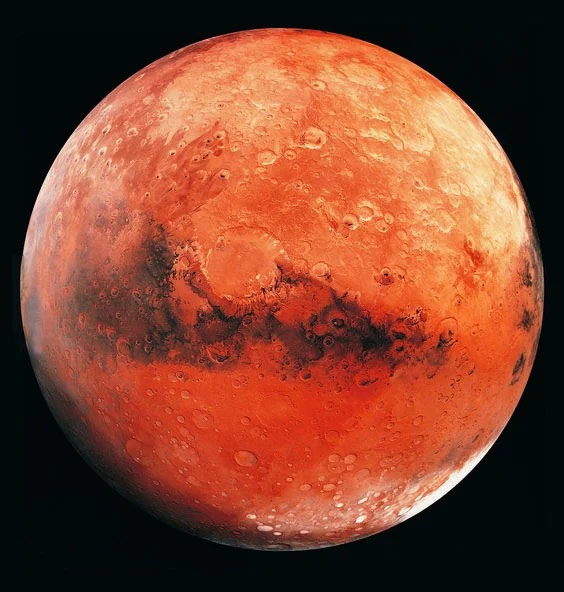
Mars
The Red Planet
Tap to learn about Mars
Outer Planets (Gas Giants and Ice Giants)
The outer planets are large balls of gases with rings around them. Jupiter, Saturn, Uranus, and Neptune are much larger than the inner planets and are made primarily of hydrogen and helium.
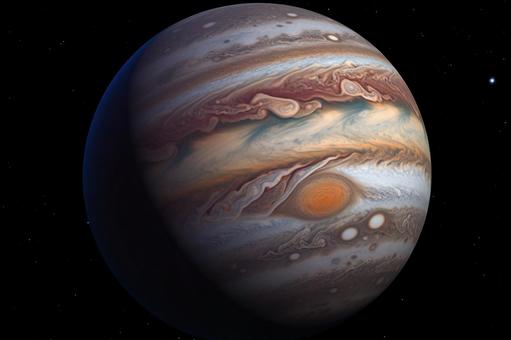
Jupiter
The largest planet
Tap to learn about Jupiter
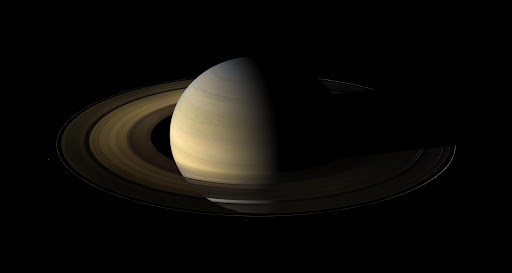
Saturn
Famous for its rings
Tap to learn about Saturn
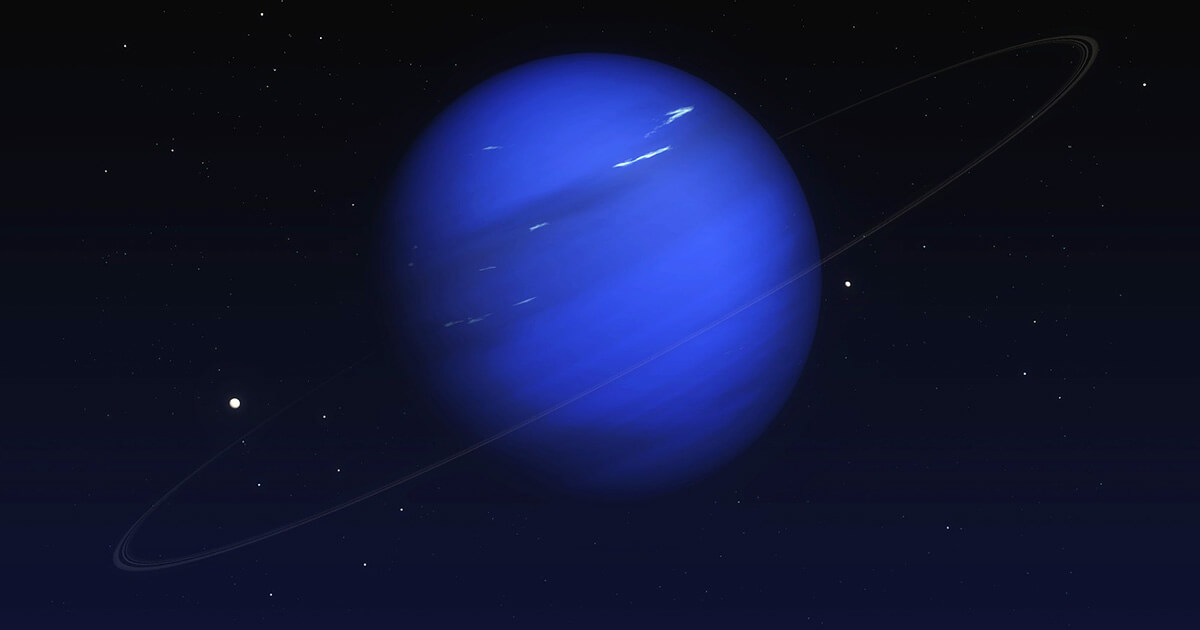
Uranus
The tilted planet
Tap to learn about Uranus
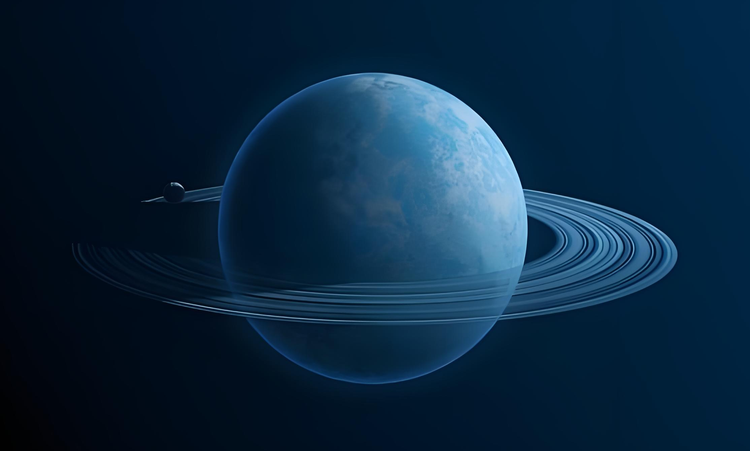
Neptune
The windiest planet
Tap to learn about Neptune
Mercury
Sep 5, 2021
Photo of Mercury sourced from AlamyMercury is the smallest and innermost planet in the Solar System. It has no natural satellites and no substantial atmosphere. The planet has a large iron core which generates a magnetic field about 1% as strong as that of Earth's.
Distance from Sun
0.39 AU
Orbital Period
88 days
Diameter
4,879 km
Moons
0
Venus
Oct 2, 2022
Photo of Venus sourced from AlamyVenus is the second planet from the Sun and is Earth's closest planetary neighbor. It's often called Earth's twin because it's similar in size and density. Venus has a thick atmosphere that traps heat, making it the hottest planet in our solar system.
Distance from Sun
0.72 AU
Orbital Period
225 days
Diameter
12,104 km
Moons
0
Earth
Aug 14, 2021
Photo of Earth sourced from AlamyEarth is the third planet from the Sun and the only astronomical object known to harbor life. About 71% of Earth's surface is covered with water. Earth's atmosphere consists of 78% nitrogen, 21% oxygen, and other gases that protect life by absorbing solar radiation and regulating temperature.
Distance from Sun
1.00 AU
Orbital Period
365.25 days
Diameter
12,742 km
Moons
1
Mars
Mar 16, 2024
Photo of Mars sourced from AlamyMars is the fourth planet from the Sun and the second-smallest planet in the Solar System. Mars is often called the "Red Planet" due to its reddish appearance, which is caused by iron oxide (rust) on its surface. Mars has two small moons, Phobos and Deimos.
Distance from Sun
1.52 AU
Orbital Period
687 days
Diameter
6,779 km
Moons
2
Jupiter
Jul 29, 2023
Photo of Jupiter sourced from ShutterstockJupiter is the fifth planet from the Sun and the largest in the Solar System. It is a gas giant with a mass more than two and a half times that of all the other planets in the Solar System combined. Jupiter has a strong magnetic field and at least 79 moons, including the four large Galilean moons.
Distance from Sun
5.20 AU
Orbital Period
11.86 years
Diameter
139,820 km
Moons
79+
Saturn
Aug 23, 2021
Photo of Saturn sourced from WikipediaSaturn is the sixth planet from the Sun and the second-largest in the Solar System, after Jupiter. It is a gas giant with an average radius about nine and a half times that of Earth. Saturn is known for its prominent ring system, which consists of ice particles, rocky debris, and dust.
Distance from Sun
9.58 AU
Orbital Period
29.46 years
Diameter
116,460 km
Moons
82+
Uranus
Jun 18, 2022
Photo of Uranus sourced from WikipediaUranus is the seventh planet from the Sun. It has the third-largest planetary radius and fourth-largest planetary mass in the Solar System. Uranus is similar in composition to Neptune, and both have bulk chemical compositions which differ from that of the larger gas giants Jupiter and Saturn. Uranus's atmosphere is similar to Jupiter's and Saturn's in its primary composition of hydrogen and helium.
Distance from Sun
19.22 AU
Orbital Period
84.01 years
Diameter
50,724 km
Moons
27
Neptune
Jun 21, 2021
Photo of Neptune sourced from TelegrafNeptune is the eighth and farthest known planet from the Sun in the Solar System. It is the fourth-largest planet by diameter, the third-most-massive planet, and the densest giant planet. Neptune is 17 times the mass of Earth, slightly more massive than its near-twin Uranus. Neptune is not visible to the unaided eye and is the only planet in the Solar System found by mathematical prediction rather than by empirical observation.
Distance from Sun
30.05 AU
Orbital Period
164.8 years
Diameter
49,244 km
Moons
14